Mr. President: The present seems to be the most propitious time since the commencement of the war for the Confederate Army to enter Maryland. The two grand armies of the United States that have been operating in Virginia, though now united, are much weakened and demoralized. Their new levies ... will take some time to prepare for the field. If it is ever desired to give material aid to Maryland and afford her an opportunity of throwing off the oppression to which she is now subject, this would seem the most favorable. The army is not properly equipped for an invasion of an enemy's territory. It lacks much of the material of war, is feeble in transportation, the animals being much reduced, and the men are poorly provided with clothes, and in thousands of instances are destitute of shoes. Still, we cannot afford to be idle, and though weaker than our opponents in men and military equipments must endeavor to harass if we cannot destroy them. I am aware that the movement is attended with much risk, yet I do not consider success impossible, and shall endeavor to guard it from loss.There were several other important factors that Lee did not mention. Most Confederates saw the path to victory through foreign intervention. They hoped a European nation would join the war on their side and turn the ballance in their favor. It was hoped with an invasion of the north they would be able to induce nations to join them, as they had demonstrated that they were militarily viable. He would be coordinating with Braxton Bragg in his invasion of Kentucky. The Confederates would be able to be resupplied from the untouched resources of Maryland and Pennsylvania. Maryland was a slave state, and it was hoped that Lee's army would liberate them and induce them to join his army. And lastly, there was always the hope that they would be able to gain military sucess, capture Washington, and dictate terms to the enemy.
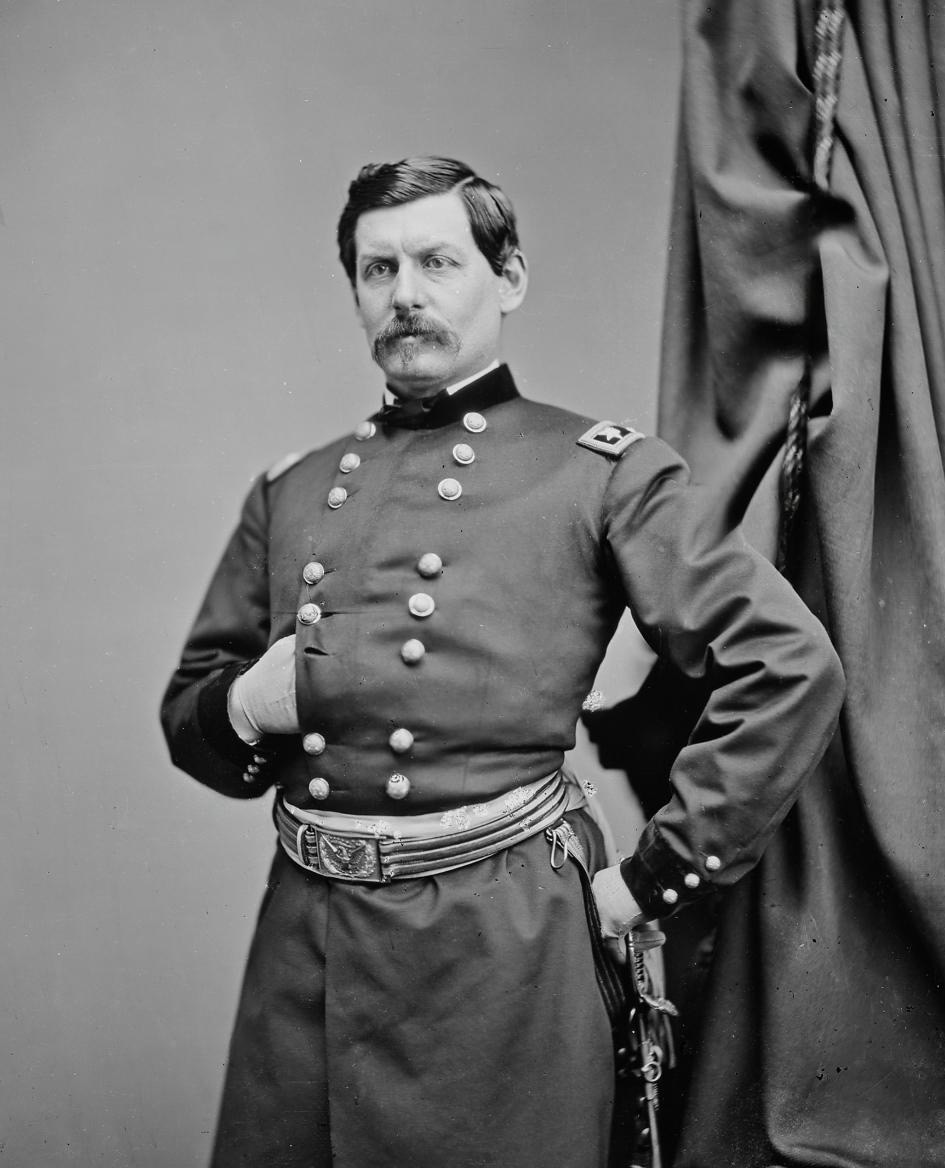
In the coming campaign Lee would be facing an opponent who was both new and old. John Pope, after his decisive defeat at the battle of 2nd Manassas, was removed from command and treated essentially with military exile, in an appointment to quell an Indian uprising (the subject of a future post.) He was replaced with George B. McClellan, who Lee had defeated in the Seven Days. Lincoln's cabinet was very much against this change, as McClellan had demonstrated his reluctance to work actively against Lee. Lincoln replied:
"We must use what tools we have. There is no man in the Army who can man these fortifications and lick these troops of ours into shape half as well as he. If he can't fight himself, he excels in making others ready to fight."